If you have noticed your child struggling with basic calculations or slowly losing confidence in maths, abacus classes Dubai might be exactly what they need. This centuries-old method is still one of the most effective ways to build strong mental maths skills in young children, and it does far more than just improve arithmetic speed. It reshapes how a child thinks about numbers altogether.
What Is Abacus Learning
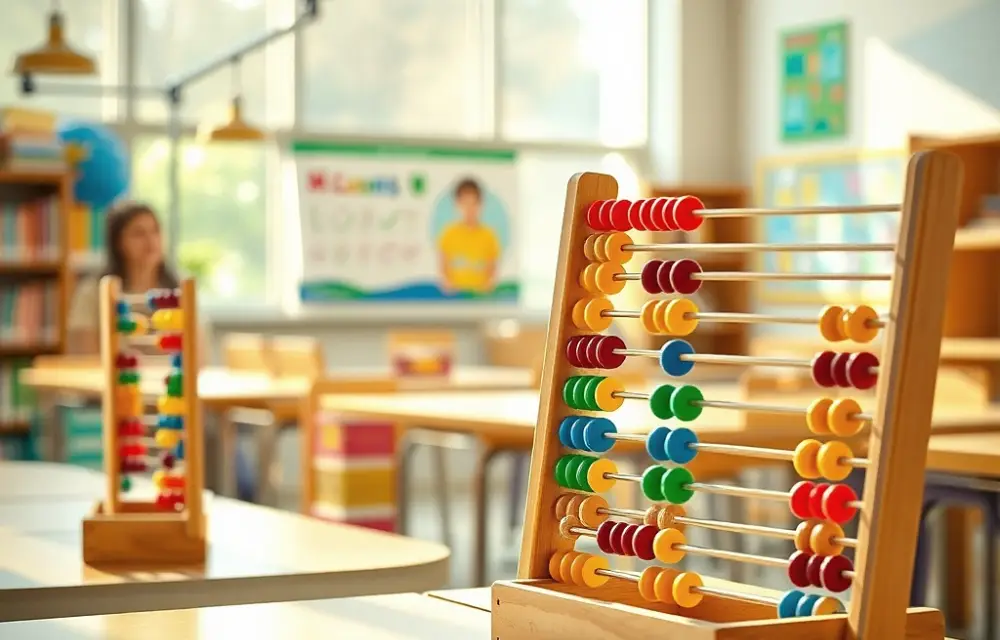
The abacus is a simple counting tool made of beads on rods, but the real value comes from how children are trained to use it over time. Initially, they learn to move the physical beads to solve problems. Gradually, children learn to visualize the abacus in their mind and perform calculations mentally, without needing the physical tool at all. This is often called mental maths, and it allows children to solve problems faster and more accurately than they would using a calculator or standard written methods.
How Abacus Training Builds Mental Maths Skills
Abacus training works by strengthening the connection between both sides of the brain. The left side handles logic and numbers, while the right-side handles visualization and imagination. By practicing regularly, children learn to picture the abacus and move the beads in their head, which sharpens memory, concentration, and calculation speed all at the same time. Over months of consistent practice, this becomes almost automatic, allowing children to perform surprisingly complex calculations with ease.
Benefits Beyond Mathematics
- Better concentration and attention span during study and everyday schoolwork
- Improved memory, since mental abacus relies heavily on visualization and recall
- Increased confidence, especially in children who previously found maths stressful or difficult
- Faster mental processing, which is useful in exams and other time-pressured tasks
- A calmer, more methodical approach to problem-solving under pressure
Many parents notice these benefits spilling over into other subjects as well, since the focus and discipline built through abacus practice tend to carry over into reading, writing, and general classroom behavior.
What to Expect in an Abacus Class
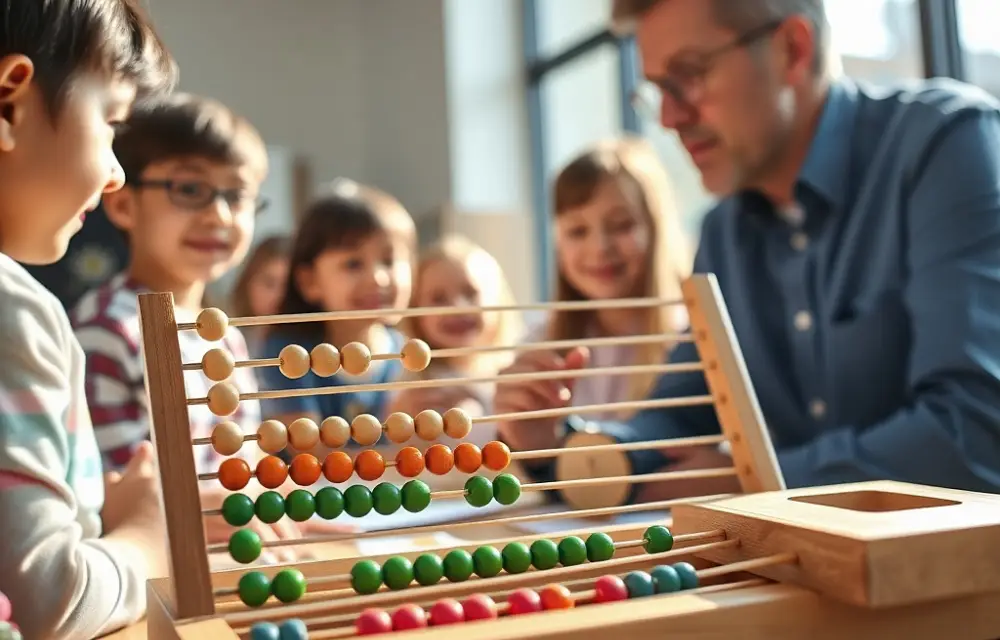
A typical abacus class starts with basic bead movements and simple addition before progressing to subtraction, multiplication, and eventually more advanced mental calculations. Classes are usually structured in levels, so children move forward at a pace that matches their own ability rather than a fixed school-grade timeline. Regular practice, even for just a few minutes daily at home, plays a significant role in how quickly a child improves and retains what they have learned.
Choosing the Right Abacus Program in Dubai
When comparing abacus programs, look for structured levels, well-trained instructors, and a recognized system like UCMAS that has a proven international track record spanning many years. IBPTI runs its UCMAS abacus training for children in a clear, step-by-step format, with regular assessments so parents can see exactly how their child’s speed and accuracy are progressing over time, rather than relying on guesswork.
How Long Before You See Results
Most parents start noticing small changes within the first two to three months, usually in the form of quicker calculations and steadier concentration during homework. The bigger, more visible gains, such as confidently solving multi-digit sums mentally, tend to appear after six months to a year of consistent, level-based practice, which is why sticking with a structured program matters more than occasional, irregular sessions.
Is Abacus Only for Children Who Struggle with Maths
Not at all. While abacus training genuinely helps children who find maths difficult, it is just as valuable for children who are already doing well, since it pushes their mental calculation speed and accuracy further than regular schoolwork typically demands. Many high-achieving students continue abacus training simply to stay sharp and maintain the concentration habits it builds over time.
What Age Should a Child Start
Most children begin abacus training between the ages of five and eight, when they are already learning basic number concepts at school and can benefit most from reinforcing them through mental maths practice. That said, older children who missed this window can still join and progress well, particularly if they are motivated to improve their calculation speed and confidence before important school exams.
Conclusion
Abacus classes are not just about faster maths. They build focus, memory, and confidence that support a child across every subject, not only arithmetic. If your child needs a stronger foundation in numbers, or simply needs help concentrating better in general, a well-structured abacus program can make a genuinely noticeable difference within just a few months of consistent, guided practice.